
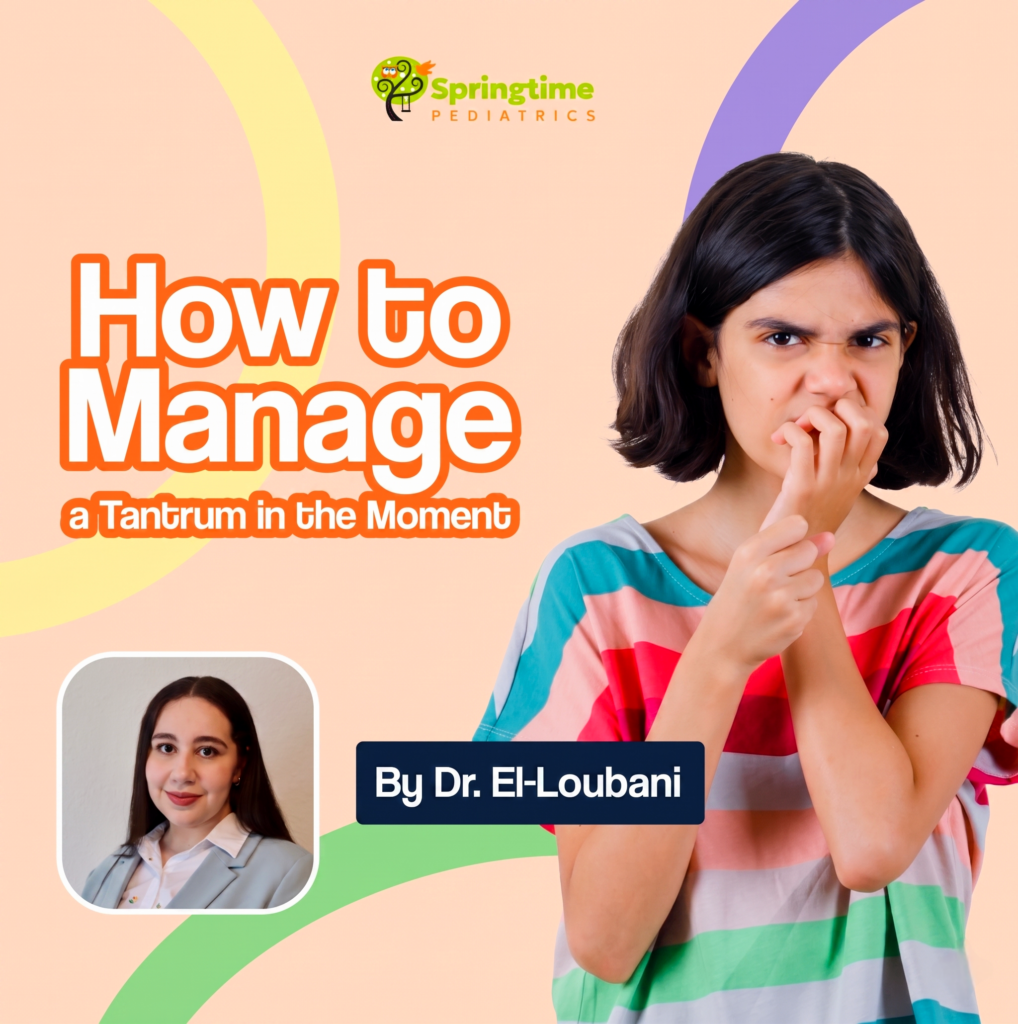
When a tantrum involves “low-risk” behavior (crying or screaming without danger), the best initial strategy is planned ignoring (also known as extinction).
During the Tantrum
Avoid Engagement: Do not negotiate, argue, or try to discipline them while they are mid-meltdown.
Stay Calm: Avoid yelling or threatening, as this can actually escalate the behavior or make it last longer.
Avoid Corporal Punishment: Physical punishment should be avoided.
After the Tantrum
Offer Comfort: Once your child has fully calmed down, you can provide comfort.
Positive Reinforcement: Give them praise for their good behavior once the storm has passed.
When to Use Time-Outs
For more frequent tantrums or problematic behaviors, a “time-out” in a safe, quiet area can be a helpful tool.
- The Timer Rule: A good rule of thumb is one minute per year of age (for example, a 3-minute time-out for a 3-year-old).
- The Follow-Up: After the time-out is over, have a gentle conversation with your child about why they were there and what behavior changes are needed for next time.
When to Call the Pediatrician
While tantrums are normal, we want to support you if they become overwhelming. It is a good idea to bring it up at your next visit if the tantrums:
- Persist beyond 5 years of age.
- Are unusually prolonged or aggressive.
- Involve injury to themselves or others.
- Are significantly affecting your family’s quality of life.
- Additionally, if your child has any developmental delays or impairments, let’s chat so we can assess if further evaluations might be helpful.
A Note for Parents
You are doing a great job navigating these “terrible twos” (and threes and fours!).
Remember, every tantrum is a chance for your child to learn how to handle big emotions, and we are here to help you through it.