

Many parents are surprised to learn that a natural food like honey can be dangerous for infants. While it is a wonderful remedy for older children, it requires a “safety first” approach for babies. Here is why you must wait until the first birthday and how honey can help after that milestone.
The Strict Rule: No Honey Before 12 Months
The primary reason to avoid honey during the first year of life is the risk of infant botulism.
- Honey can contain spores of the bacteria that cause botulism.
- Studies show that approximately 10% of honey contains these spores.
- Botulism is a very serious condition where toxins attack the body’s nerves, leading to muscle paralysis.
- This paralysis can even affect the muscles that help your baby breathe.
Why is it safe for us but not for them?
Adults and older children have enough stomach acid and beneficial intestinal bacteria to neutralize these spores. However, a baby’s digestive system isn’t mature enough to inactivate the spores until they are about 12 months old.
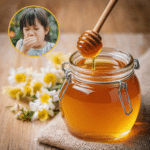
Once your child celebrates their first birthday, honey becomes one of the best tools in your medicine cabinet for managing colds.
- Why it works: Honey has natural antibacterial, antiviral, and anti-inflammatory properties.
- Better than medicine: Research shows that honey can be more effective at reducing the frequency and severity of coughs than several types of over-the-counter medications, with fewer side effects.
- Better sleep: Giving your child 1/2 to 2 teaspoons of honey about 30 minutes before bed helps ease nighttime coughing and improves sleep quality.
Pro-Tip for Parents: For the best results, do not dilute the honey or mix it into water/tea. Giving it directly from the spoon allows the honey to coat the throat, which is what provides that soothing relief.
A Quick Reminder for Families:
Always double-check that your child is over 12 months old before introducing honey into their routine. If you have any questions about cough relief or your child’s digestive health, we are always here to help!
Written by Dr. Palvadi